Loudoun County: Amazon Retreats from AI Data Center Plans Amid Local Pushback
The tech giant has abandoned its proposal for four new facilities on a former university campus, opting instead to build housing and donate land for community use.
By Mei Lin ·
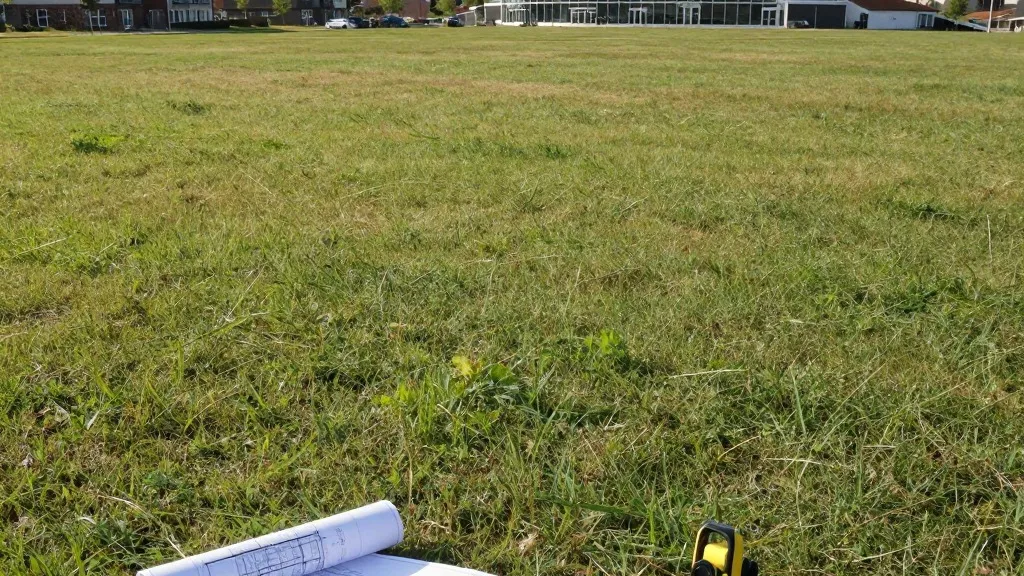
Northern Virginia has long been a hotspot for digital infrastructure, but the region’s capacity for massive new projects is finally meeting local resistance. Amazon has officially scrapped its plans to construct four new data centers on a 122-acre site in Loudoun County, near Washington, D.C., following intense community backlash.
The company will repurpose the majority of the property, which was formerly part of the George Washington University campus, for mixed-use and residential development. In a significant concession to local concerns, Amazon is also donating 25 acres of the land to the county. This portion is designated for a new community arts center and recreational facility, while the company will contribute $5 million to the county’s housing fund.
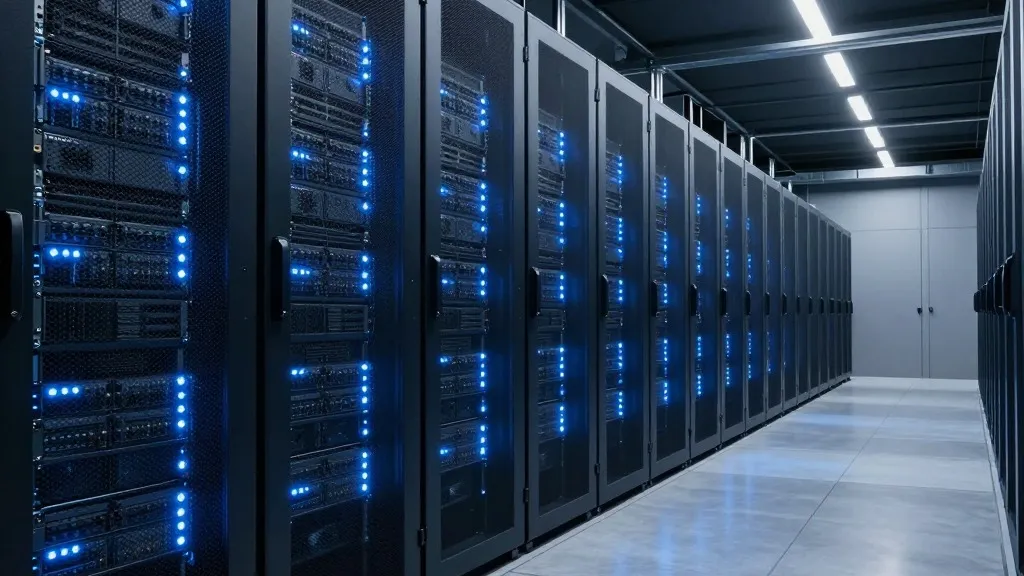
The shift marks a notable departure from the region's trajectory. Loudoun County is frequently referred to as "Data Center Alley" due to having the highest concentration of such facilities on the planet. However, residents have grown increasingly vocal about the noise pollution and the enormous power requirements associated with these energy-hungry installations. This growing opposition has prompted a change in how the county approaches new buildouts.
The timeline of this reversal began in July when Amazon first submitted its proposal for the new facilities. By September, the situation had cooled through direct engagement. Phyllis J. Randall, the Chair of the Loudoun County Board of Supervisors, met with Amazon representatives. During these discussions, it was suggested to the tech giant that the land might be better suited for alternative uses rather than more server farms.
Josh Weissman, Amazon’s vice president for data center development, explained the company's decision-making process. He noted that Amazon had moved quickly to purchase the former university campus when the opportunity appeared. However, he acknowledged the county’s "pointed concerns" regarding development at this specific location. Weissman stated that while Amazon viewed the legal potential for development differently than the county did, they concluded that a shared vision was preferable to "costly litigation."
This local decision occurs against a backdrop of rising national tension over AI infrastructure. The surge in artificial intelligence has driven demand for larger facilities, leading to community worries about electricity price spikes and resource strain. Just days before this announcement, President Donald Trump called on data center builders and AI hyperscalers to pay local communities a dividend to offset energy-related price increases. He further proposed that data centers should generate their own electricity and sell any excess power back to the local grid.
Local officials are framing the outcome as a success for collaborative governance. In a statement, Randall emphasized that choosing "dialogue over reflexive disagreement" created a valuable opportunity for the county. She highlighted that the agreement will provide new spaces for residents to gather and recreate. Most importantly, she noted, it will help provide more attainable homes for working families in the area.
The future of the site now points toward a blend of living spaces and community amenities rather than the hum of servers. The donated acres will house the arts center and recreational facilities, while the remaining land will see mixed-use and residential construction. This move aims to balance the region's technological growth with the immediate needs of its population, addressing both housing shortages and the desire for green space and community engagement.
Source: Tom's Hardware